
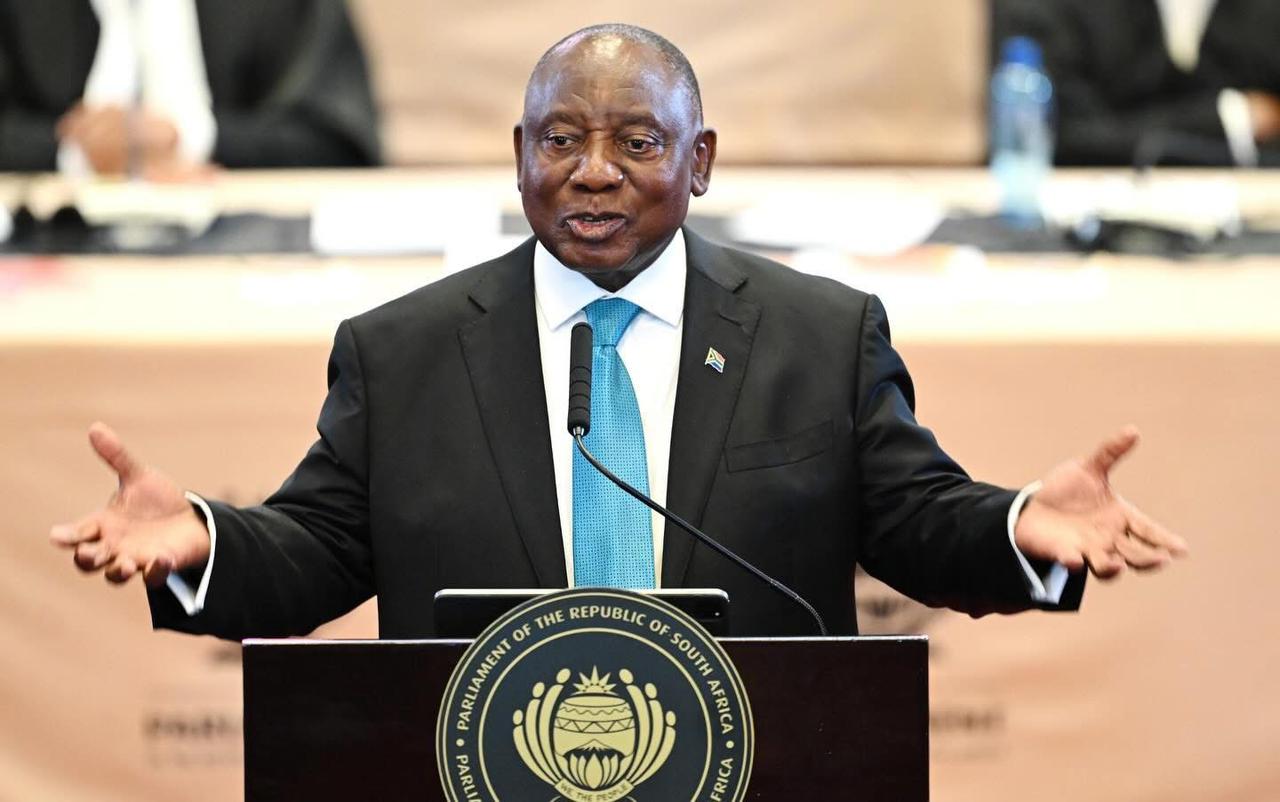
The 2026 State of the Nation Address (SONA), delivered by President Cyril Ramaphosa, placed small, medium and micro enterprises (SMMEs) firmly at the centre of South Africa’s economic recovery and long-term growth strategy.
Beyond high-level macroeconomic commitments, the address introduced structural, legislative and institutional reforms that directly affect how SMEs start, operate, grow and compete — especially in township and rural economies.
Below is a detailed analysis of the SME-related pillars emerging from SONA 2026 and what they mean for business owners.
1. Business Licensing Bill: Lowering Barriers to Entry
One of the most significant SME-focused announcements is the introduction of a Business Licensing Bill.
What It Seeks to Do
- Simplify registration and compliance processes
- Reduce bureaucratic red tape
- Shorten approval turnaround times
- Streamline municipal and sector-specific licensing requirements
Why This Matters
For many township and rural entrepreneurs, the biggest barrier to formalisation is complexity — multiple offices, unclear requirements, long waiting periods, and high compliance costs.
A simplified licensing regime could:
- Increase the number of formally registered SMEs
- Expand the tax base without increasing tax rates
- Improve access to funding and government procurement
- Enable easier participation in supply chains
Formalisation is not just administrative — it unlocks opportunity.
2. Micro-Economic Reform Framework: Structural Support for Competitiveness
The SONA outlined a micro-economic reform framework aimed at improving competitiveness and inclusivity.
Key Focus Areas
- Reducing regulatory bottlenecks
- Improving efficiency in key network industries (energy, logistics, water)
- Enhancing market access
- Strengthening institutional coordination
SME Impact
Micro-economic reforms address the everyday friction businesses experience — transport delays, unreliable utilities, inefficient permitting systems.
If effectively implemented, these reforms could:
- Lower operating costs
- Improve turnaround times in supply chains
- Increase productivity
- Enable SMEs to compete with larger firms
This is especially important for manufacturing, agro-processing and logistics-based SMEs.
3. Infrastructure Investment: R940+ Billion as an Economic Multiplier
SONA 2026 reaffirmed over R940 billion in infrastructure investment across roads, rail, ports, water, housing and energy.
Infrastructure as Job Creation
Infrastructure spending is not only about construction; it stimulates:
- Procurement
- Subcontracting
- Supplier development
- Local service provision
SME Opportunities
For SMEs, infrastructure expansion means:
- Access to government tenders
- Inclusion in subcontracting chains
- Increased demand for construction materials, transport, catering and security services
- Improved logistics reducing fuel and delivery costs
Infrastructure reduces the structural disadvantages faced by township and rural businesses.
4. Public-Private Partnerships (PPPs): Unlocking Private Capital
SONA emphasised expanding Public-Private Partnerships (PPPs) as an innovative funding model.
Why PPPs Matter
South Africa faces fiscal constraints. PPPs allow:
- Private capital to fund public infrastructure
- Risk-sharing between state and business
- Faster implementation of large-scale projects
SME Inclusion Potential
Large PPP projects often require:
- Local suppliers
- Maintenance contractors
- Service providers
- Support businesses
If structured inclusively, PPPs can:
- Integrate SMEs into high-value projects
- Strengthen enterprise development
- Build sustainable supplier networks
The key will be ensuring procurement frameworks intentionally include SMMEs.
5. State Property Company: Turning Assets into Economic Engines
The establishment of a State Property Company represents a strategic shift in how public assets are managed.
Core Objective
- Manage and optimise state-owned properties
- Unlock underutilised public land and buildings
- Improve governance and transparency
SME Implications
Many SMEs struggle with:
- High rental costs
- Poorly located trading spaces
- Limited access to commercial property
An efficient State Property Company could:
- Provide affordable commercial space
- Enable redevelopment of idle public buildings
- Create economic hubs in townships and rural areas
Property access is often the missing link in SME scalability.
6. Fighting Crime: Protecting Economic Activity
Crime was framed not just as a social issue but as an economic threat.
Recognised Impacts
- Business closures
- Investor hesitation
- Loss of life and talent
- Increased security costs
SME-Specific Impact
For small businesses:
- Theft and vandalism reduce already thin margins
- Insurance premiums rise
- Customers avoid unsafe areas
Strengthened law enforcement and intelligence coordination aim to:
- Stabilise business districts
- Protect township enterprises
- Restore investor confidence
Economic safety is foundational to growth.
7. Expanded Disaster & Emergency Funding
Recent floods exposed gaps in disaster response funding.
Government Commitment
- Strengthen emergency funding mechanisms
- Improve disaster coordination
- Enhance climate resilience planning
Why This Matters for SMEs
Small businesses are disproportionately affected by disasters:
- Limited cash reserves
- No business interruption coverage
- Supply chain disruptions
Improved emergency funding could:
- Speed up recovery
- Reduce permanent closures
- Stabilise vulnerable local economies
Resilience is now a core economic priority.
8. Energy Stability & Market Reform
The end of load shedding was positioned as a milestone achievement.
Continued Reforms
- Electricity market liberalisation
- Increased private generation
- Renewable energy expansion
SME Benefits
Reliable electricity means:
- Predictable operating hours
- Lower generator and diesel expenses
- Improved production output
- Better service delivery
Energy stability is arguably the single biggest productivity driver for SMEs.
9. Agriculture & Rural SME Development
Support for farmers, disease control, and expansion of agricultural services were reaffirmed.
Implications for Rural SMEs
- Protection of livestock and food supply chains
- Increased agricultural productivity
- Growth in agro-processing enterprises
- Opportunities in storage, logistics and retail
Strengthening primary agriculture strengthens the entire rural SME ecosystem.
Strategic Interpretation: What SONA 2026 Means for SMEs
Across all these announcements, three structural shifts are evident:
1. Simplification
Reducing red tape and making formalisation easier.
2. Infrastructure-Led Growth
Using public investment to stimulate private enterprise.
3. Institutional Reform
Creating new entities and frameworks to improve efficiency and unlock assets.
If implemented effectively, these measures could transform the operating environment for township and rural SMEs — moving them from survival mode to scalable growth.
Conclusion
SONA 2026 signals a policy direction that recognises SMEs as central to employment, inclusion and economic expansion.
However, the success of these initiatives will depend not on announcements, but on execution — regulatory clarity, procurement transparency, institutional efficiency and measurable inclusion of small enterprises.
For SMEs, the message is clear:
The policy environment is shifting. Those prepared to formalise, comply, and strategically position themselves within infrastructure, PPP, and property frameworks will be best placed to benefit from South Africa’s next phase of growth.
